
The King Rama VI Monument is a magnificent tribute to one of Thailand’s most revered monarchs, located in the heart of the bustling city of Bangkok. This blog post aims to delve into the history of this monument and provide useful information for those planning to visit.
The monument was established in 1942 to honor King Vajiravudh or King Rama VI (1910-1925), the sixth monarch of Siam under the House of Chakri. Known for his modernizing reforms and promotion of Thai nationalism, King Rama VI’s reign marked a significant period in Thai history. The monument, depicting the king in full military regalia, stands as a testament to his contributions to the nation.
One of the most frequently asked questions about this monument is, “What is the significance of the King Rama VI Monument?” The monument is not just a symbol of reverence for a past king, but it also serves as a historical marker for the time when Thailand began its transition into a modern era. King Rama VI implemented educational reforms and encouraged the use of the Thai language, which is reflected in the country’s culture today.
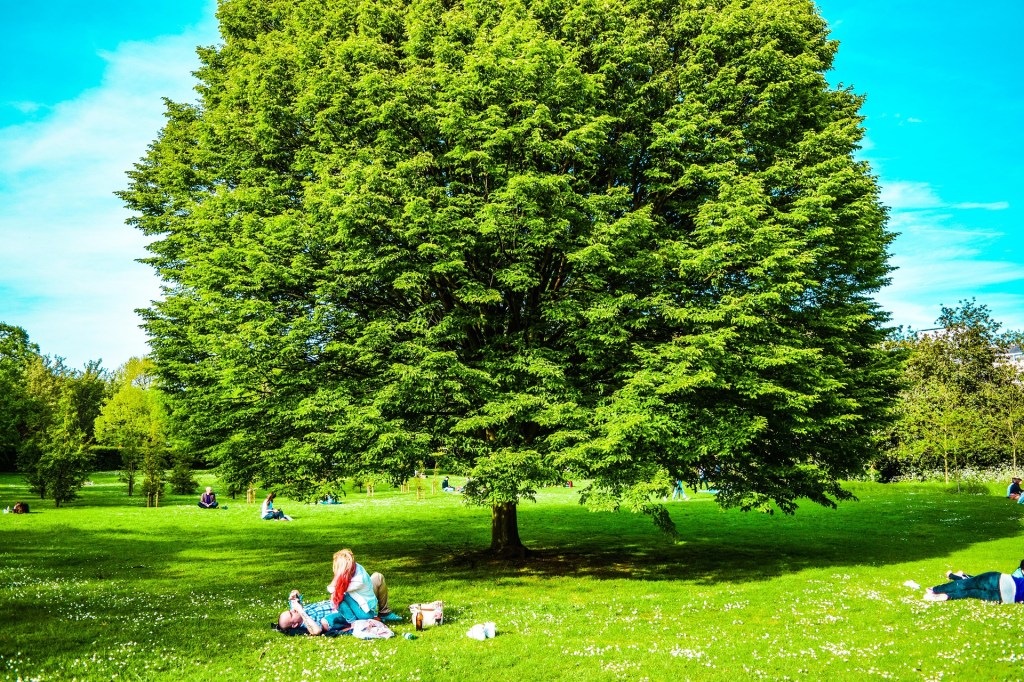
The monument is situated at the entrance of Lumpini Park, one of the largest and oldest parks in Bangkok. The park itself is worth a visit, offering a serene escape from the city’s hustle and bustle with its beautiful landscapes, tranquil lake, and various recreational activities.
The King Rama VI Monument is not just a visual treat but also an insightful journey into Thailand’s rich history. With its grandeur and historical significance, it is a must-visit for history enthusiasts and tourists alike.
So, if you find yourself in Bangkok, don’t miss out on this opportunity to delve into the past. Visit the King Rama VI Monument, and let the legacy of this great monarch captivate you.
I, Terence Ong, CC BY-SA 3.0 http://creativecommons.org/licenses/by-sa/3.0/, via Wikimedia Commons



 creativemeetings.net